In our modern day and age anyone can create, edit and post content in a matter of minutes. People have complete control over what they put out into the world, and sometimes that control is used for harm.
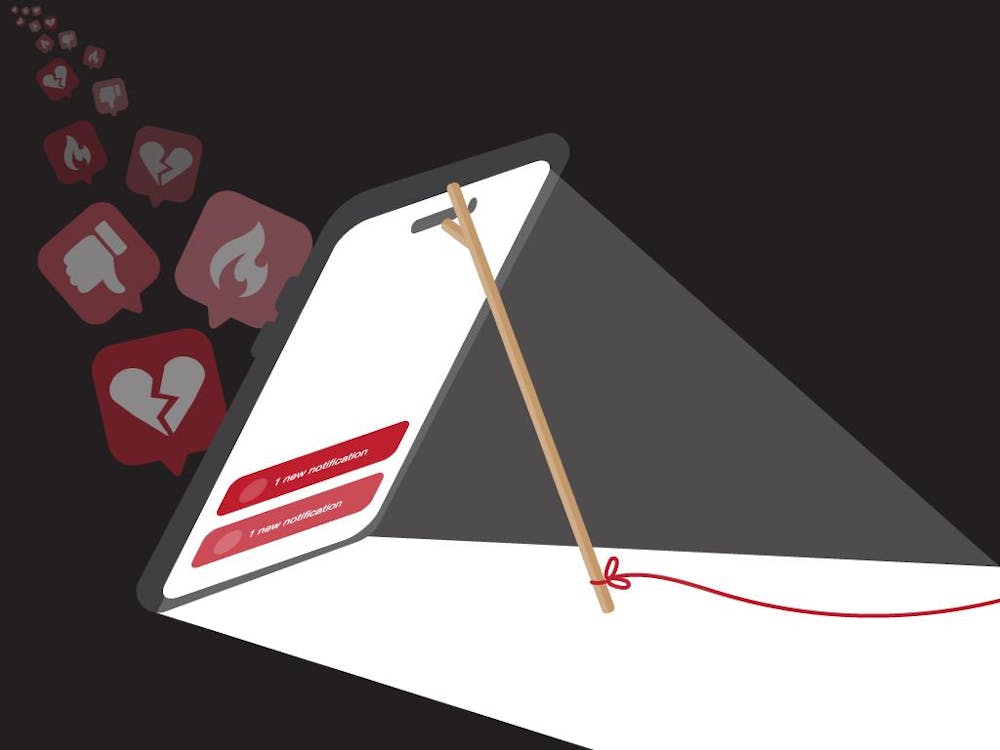
Ragebait, a slang term coined by Gen Z, is described by Merriam-Webster as “online content that is intentionally offensive or provocative.” The term has swept across social media provoking anger, confusion, laughter and at times, chaos.
Analyses comparing positive and negative content show that media with negative themes are shared and viewed more often than positive content. A Stanford University study using an algorithm called sentiment analysis tracked the emotional tone of posts and correlated it with post traffic. Brian Knutson, the study's lead author, explained the results.
“Typically, it’s the negative, highly arousing stories that get the most traffic, and these stories tend to come from the most biased sources, on both the left and the right”.
Examples of ragebait can be as simple as someone posting a controversial opinion in search of views or interviewing people on the street with provocative questions designed to “trap” them. The angle of the conversation is what's important, not the topic itself.
Dr. Jabari Evans, a University of South Carolina journalism professor, believes that the root of this content is clout.
“Clout is not just an act for attention; it’s also a political act. And what I think ragebait does is it plays upon fears, it plays upon vulnerabilities, sometimes by signifying and sometimes by humor, but ultimately by hatred.”
Most online creators get paid per view on social media platforms. The more content they make, the more money they’ll earn. To maintain a livable income, influencers turn to what makes money the fastest: negative content that angers people enough to share.
Bryan Jenkins, a USC research assistant professor, believes the term is linked to a long-running trend in society.
“When I think about ragebait, I think about this concept that’s called the attention economy, which is basically that we’re in an economy now where people’s likes, and attention, that’s what people’s currency is".
Jenkins states, "With social media, I'm a firm believer it doesn't create anything new about the human experience. Trolls, attention seekers, all these things have always been there, but it amplifies it to the ninth degree. So, in terms of ragebait, I think about it as just a byproduct of that."
The origins of ragebait have existed for a very long time, even before generations like Gen Z grew up immersed in technology. But how has it seeped into everyday college life?
Influencers and content creators visit college campuses not only to interview students but also to set up tables in the busiest areas, inviting and even provoking them to discuss hot topics. These interactions are almost always recorded and posted online.
An example of this occurred in April 2025, when Myron Gaines, host of the Fresh and Fit podcast, was sponsored by the club Uncensored America to visit USC’s campus and talk to students about his chosen topic and the title of his most recent book, Why Women Deserve Less. Gaines’ podcast focuses on the idea of male self-improvement and what men can do to become an “alpha male,” and his campus conversations fall under that same theme.
Gaines set up a public table for debate and also hosted a private event afterward at Russell House. He returned in August to host similar events, this time focusing on the topic of “toxic masculinity.”
Karina Reyes, a mid-level education major, unexpectedly went head-to-head with the influencer to discuss women’s rights and voting. Her overall experience was one she will never forget.
“I’ve always been known as a very outspoken and passionate person. So, I was like, he’s talking about things that are in relation to me, and I feel like this is not right."
When Reyes approached the conversation, she encountered hostility and intense opinions backed by little to no evidence.
“I don't think it was very respectful. It was very angry, a hash kind of decision, like last minute. I just think he kind of said some things that didn't really make some sense in my brain. For example, when he was like, ‘I could beat a woman's ass’ and, ‘what, men are physically inferior?’"
Despite being banned on Instagram and demonetized on YouTube, Gaines still has a large digital following. All of his visits to USC’s campus appear on YouTube under Uncensored America’s profile, and his public debate in April is the club’s most popular video, with over 470,000 views. Reyes’ interaction with Gaines went viral online, and according to her, the reaction was mixed.
“I got a lot of texts and verbal responses from people that said, ‘Oh, I'm so proud of you for doing it, you’re so brave.’ And then I also got remarks online", said Reyes. "They don't do it as recently; I think my last one was maybe a month or two ago, but people would send me DMs and say some things that were not very nice”.
Despite online comments and reactions, Reyes continues to advocate for others. She currently serves as the vice president for LGBTQ Carolina on campus.
Regarding Gaines, Reyes states, “I don’t think he really does the things he does because he actually believes in it. I think he does it because he knows he can make a profit off of ragebaiting other people”.
Whether you see ragebait as a deep controversy or just a simple prank, it affects anyone who consumes and subconsciously absorbs ideas from social media into their daily lives. Online content can directly change someone’s mood, mindset or even physical behavior. Even if ragebait creates the quickest profits, its long-term effects can be detrimental.


